Eat your way to healthier skin
The science behind anti-aging nutrition
When it comes to healthy, youthful-looking skin, most people think of creams, serums, and cosmetic treatments. But according to emerging research, what we put on our plate may be just as important as what we put on our skin. Scientists are increasingly exploring how certain foods can help protect skin cells, reduce inflammation, and support the body's natural repair mechanisms.
Skin aging is a natural process. Over time, skin becomes drier, rougher, and less elastic. Collagen and elastin production decline, while cell regeneration slows down. Environmental factors such as UV radiation, smoking, air pollution, stress, lack of sleep, and excessive sugar consumption can accelerate this process by damaging DNA and increasing inflammation in the skin.
1. Carrots, spinach, and red currants
Some of the most powerful skin-supporting nutrients come from colorful fruits and vegetables.
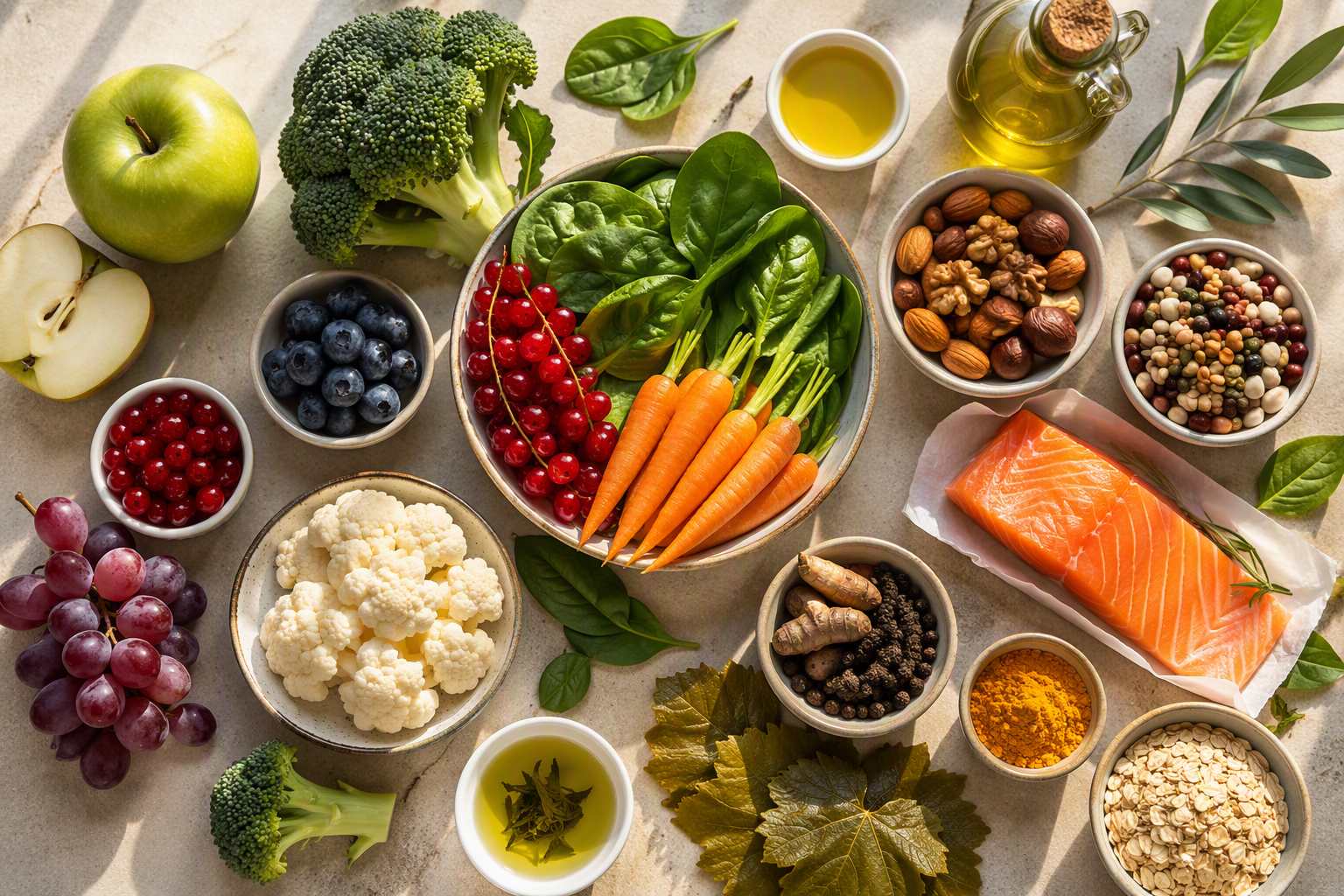
- Carrots are rich in beta-carotene, which helps protect DNA from damage.
- Red currants contain anthocyanins, potent antioxidants that help combat oxidative stress.
- Spinach is a valuable source of folate, a nutrient involved in cell repair and maintenance.
Together, these foods provide antioxidants that help neutralize free radicals before they can damage skin cells.
2. Nuts, legumes, fish, and olive oil
Experts point to the Mediterranean diet as one of the most effective strategies for supporting long-term skin health. This eating pattern emphasizes:
- Fruits and vegetables
- Nuts and legumes
- Fish and seafood
- Olive oil
- Limited amounts of red meat
Large studies suggest that olive oil, in particular, may help reduce visible signs of skin aging.
Broccoli: The skin superfood
Broccoli contains sulforaphane, a natural compound that activates a protective cellular pathway known as NRF2. This pathway helps cells defend themselves against environmental stressors, including UV radiation. Laboratory studies have shown promising results, with sulforaphane helping damaged cells activate their own defense systems.
However, researchers caution that more human studies are needed. Since sulforaphane is sensitive to heat, eating broccoli raw may provide the greatest potential benefit.
Apples: The power of cellular recycling
Another fascinating area of anti-aging research involves autophagy, the body's internal recycling process. During autophagy, damaged cellular components are broken down and reused, helping cells stay healthy and efficient.
Foods that may support this process include:
- Apples
- Wheat germ
- Oats
- Beans
- Cauliflower
These foods contain spermidine, a naturally occurring compound currently being studied for its potential role in healthy aging. Research also suggests that fasting or intermittent fasting may enhance autophagy.
Fighting "zombie cells" through nutrition
Scientists are exploring ways to remove senescent cells through a process called senolysis. While anti-aging creams targeting these cells are still under development, certain foods may naturally support this process.
Particularly interesting are:
- Turmeric
- Long pepper
- Grape leaves, which contain quercetin
Studies suggest that quercetin has the potential to eliminate senescent cells, making it a promising compound in anti-aging research.
Lifestyle matters too
Nutrition alone cannot stop aging. Researchers emphasize that healthy skin is also influenced by lifestyle (physical activity, sleep, stress management, sun protection). Exercise, in particular, has been shown to help suppress cellular senescence, benefiting not only the skin but also the immune system.
Source: [swr.de]